Professional Raccoon Removal
Raccoons are intelligent, persistent, and capable of causing thousands of dollars in damage. Our certified technicians remove them humanely and ensure they don't come back.

Understanding Raccoon Behaviour
Raccoons are nocturnal animals most active after sunset. They're remarkably adaptable — capable of opening latches, climbing into attics, and displacing insulation to build dens. If you're hearing footsteps in the ceiling at night, there's a good chance a raccoon has moved in.
Preferred Den Sites
Raccoons prefer warm, quiet, dry spaces — particularly attics above bedrooms, chimneys, garages, and under decks.
Structural Damage
To gain access, raccoons will rip through shingles, damage soffits, destroy roof vents, and tear apart insulation. They may also chew electrical wiring, creating a serious fire hazard.
Health Risks
Raccoons are the primary carrier of Baylisascaris procyonis. Their feces contain roundworm eggs that are dangerous if accidentally ingested. Some raccoons also carry rabies.
Breeding Season Note (March–August)
If a mother is separated from her young, she will attempt to destroy the entry area to return. During breeding season, our technicians carefully remove the young and place them near the entry so the mother can reunite with them. This may increase the cost of removal — act before spring.
Repair, Sanitize & Secure
After removal, we repair all damage (roof, insulation, wiring), clean and sanitize the area to eliminate odour that could attract new animals, and install galvanized screening to seal all potential re-entry points.
Removal Methods
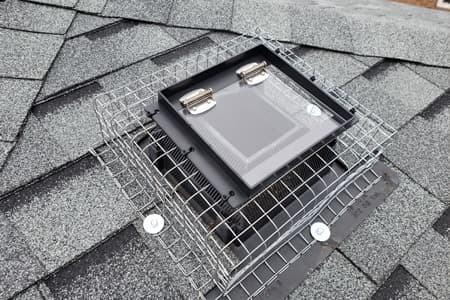
One-Way Door
Our primary method. We identify entry points, then install a one-way door that lets the raccoon leave but blocks re-entry. Humane, stress-free, and effective.
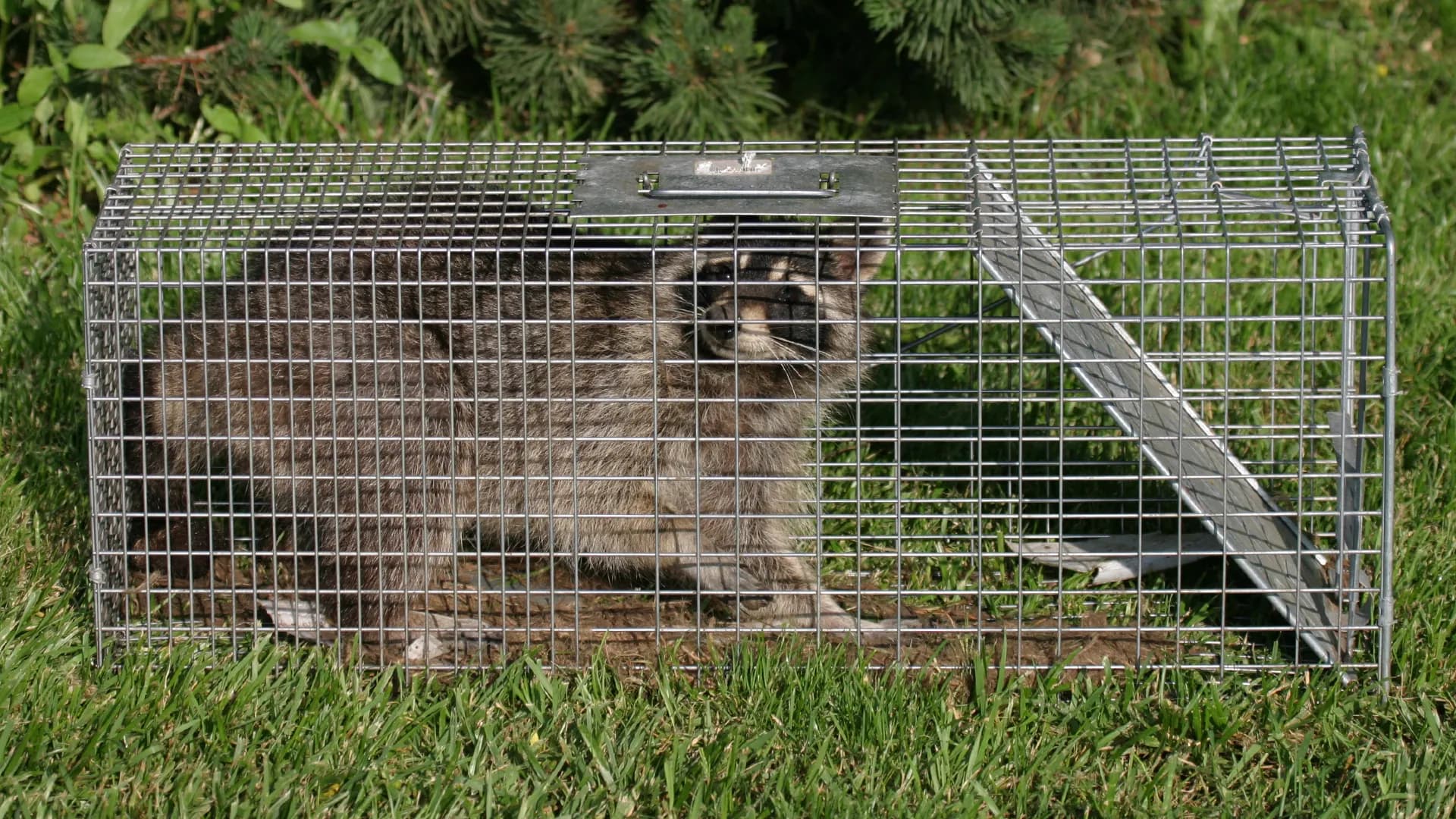
Live Trapping
Used when one-way doors aren't feasible — such as in open areas. Trapping is always a last resort to minimize animal stress.